
Tree Service Orange County
Tree Trimming & Tree Removal Service Experts
Licensed & Insured #1102865
Family Owned Since 2002
We are a well-known Orange County Tree Service Company that offers high-quality work, a quick response, affordable prices, and, most importantly, our friendly and hardworking team. We are dedicated to providing exceptional tree trimming and removal solutions to homeowners and business owners in Orange County and surrounding areas.
Our main goal is to preserve the natural beauty and health of trees while enhancing property aesthetics. And we also take pride in Customer satisfaction as we strive to exceed expectations with every project.
Improve Your Property’s Curb Appreal
Professional tree services improve your property’s appearance through strategic pruning, shaping, and removal of overgrown or dead branches. Our team will create a safe and welcoming landscape by shaping trees to enhance architectural features and removing hazardous limbs.
Benefits of Professional Tree Care Service:
Immediate Curb Appeal: Well-maintained trees project a well-cared-for home.
Enhanced Safety: Reduces risks of falling limbs or blocked visibility.
Increased Property Value: Improved curb appeal can significantly increase home value
Tree Service Orange County for Homes & Business Properties
From routine trimming to emergency tree service, we handle it all with the right equipment and the right crew.
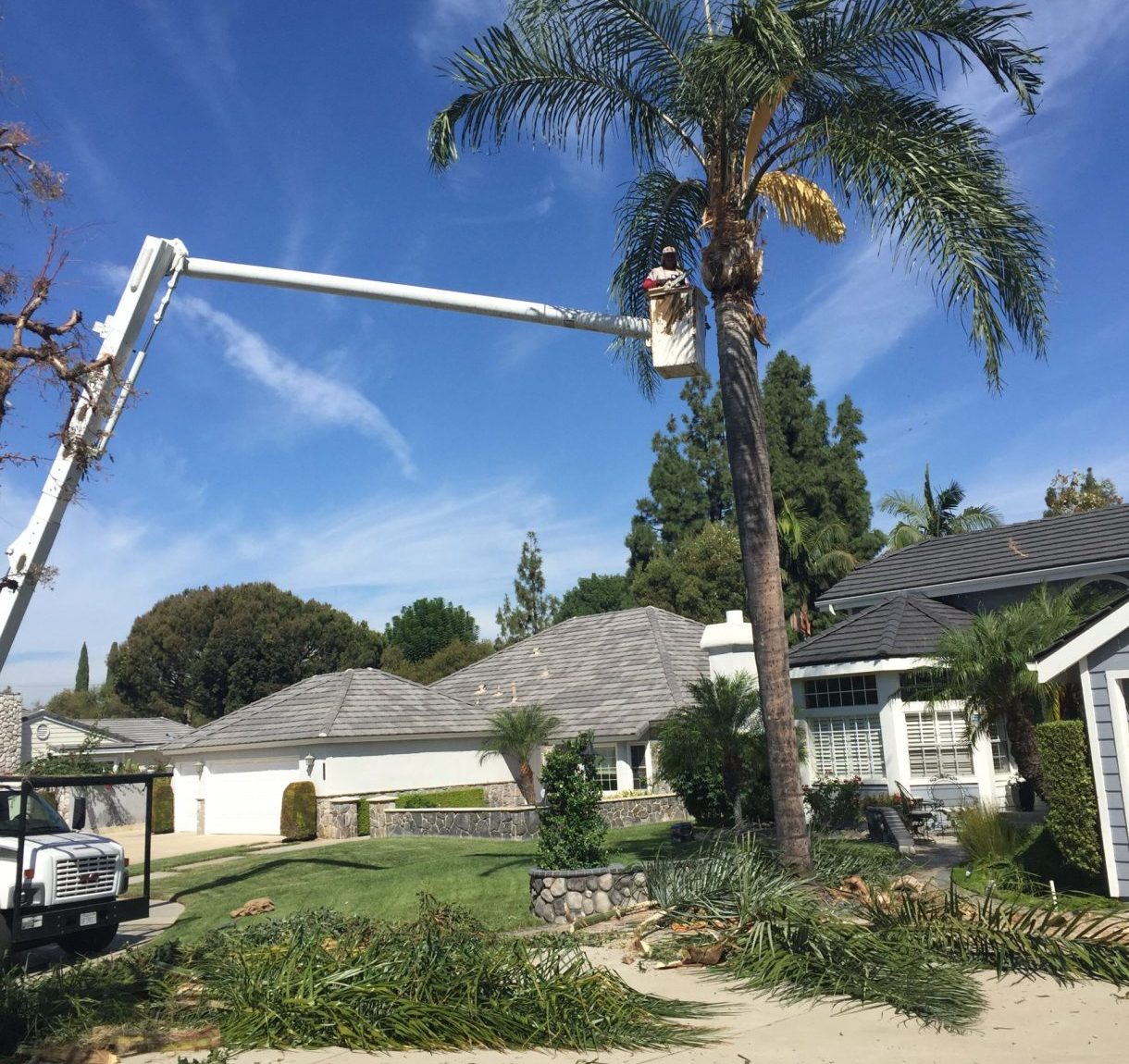
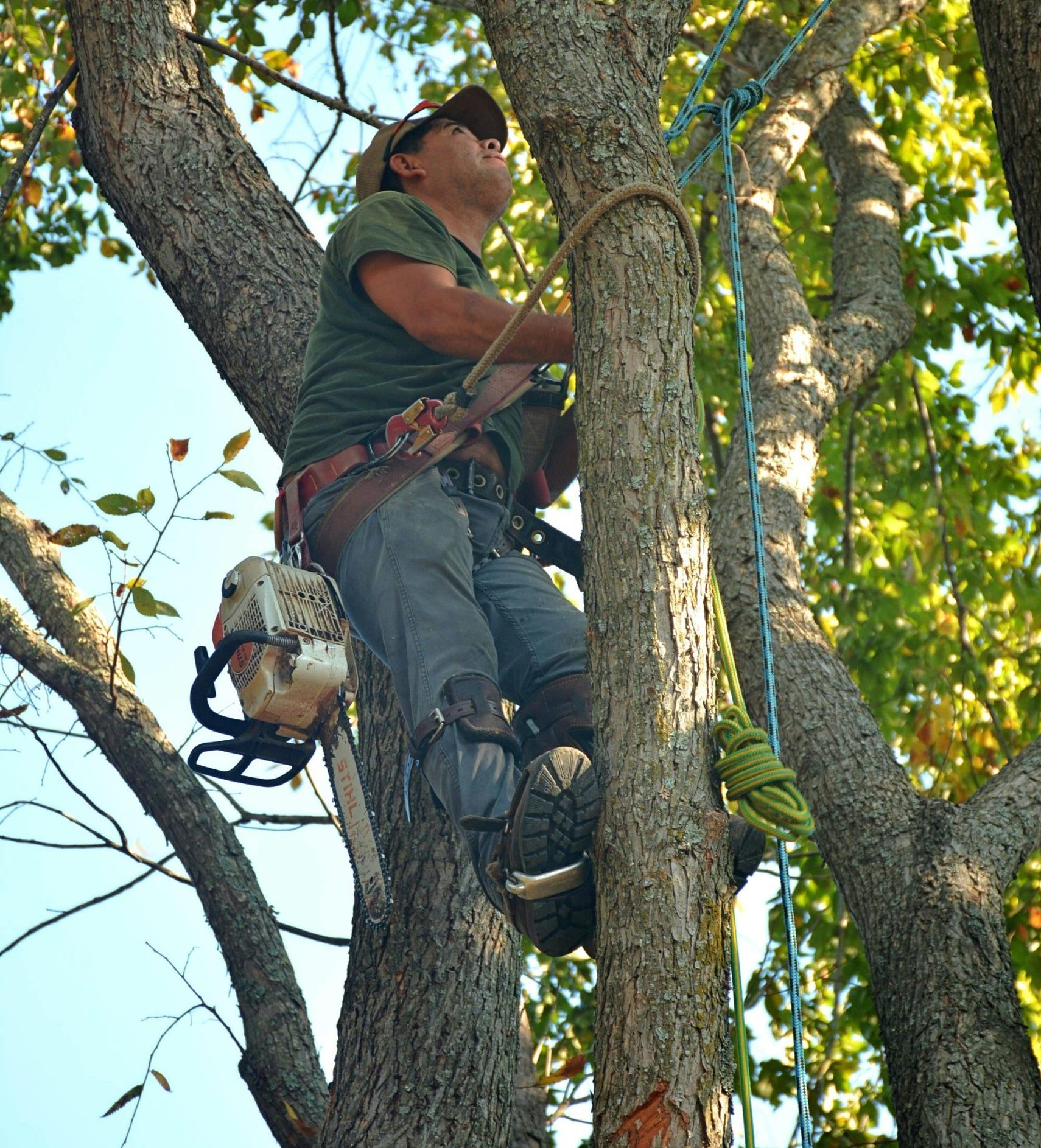
We trim branches away from roofs, power lines, & driveways. Proper pruning keeps your trees healthy & your property safe.
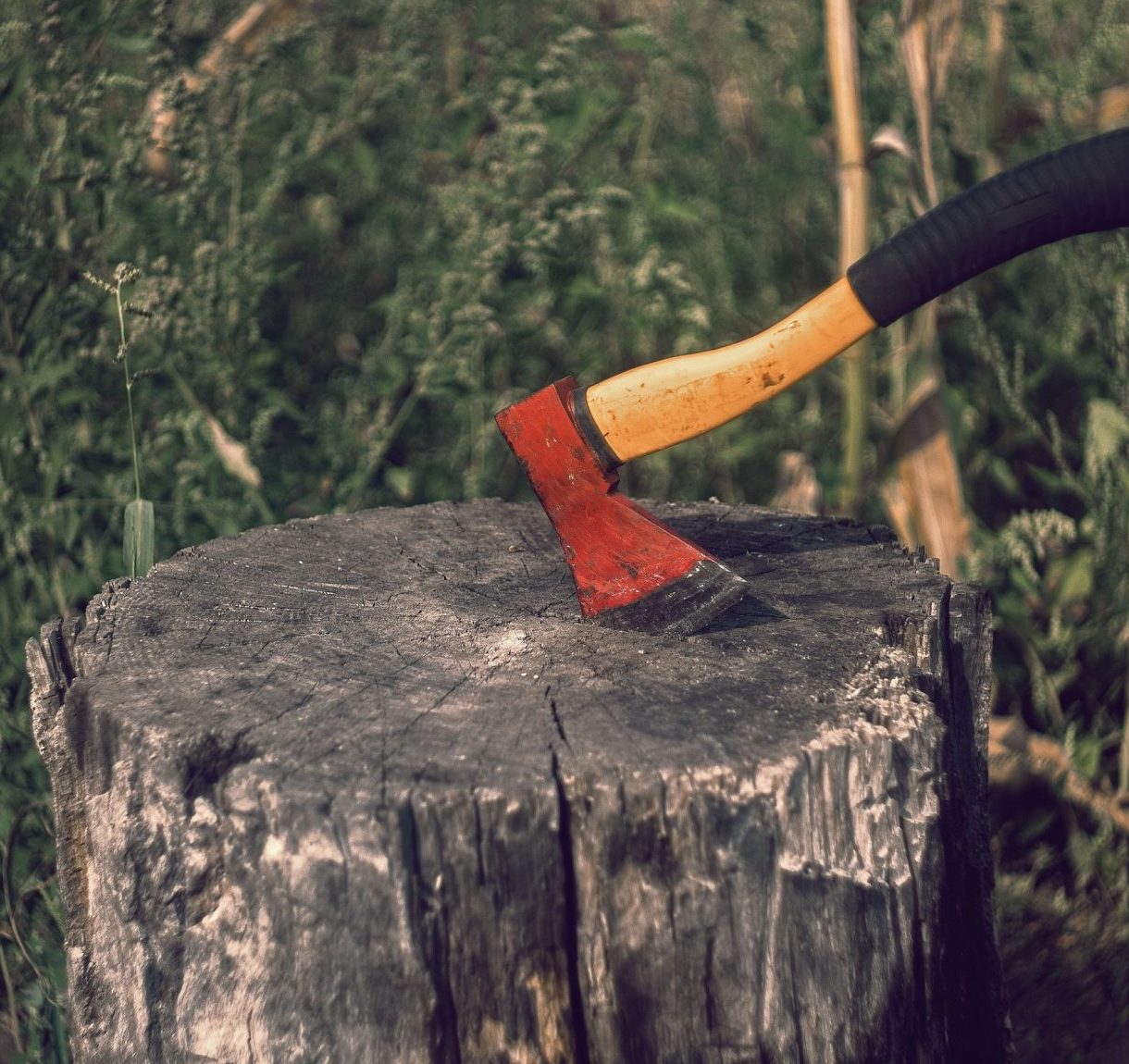
Removing stumps allows you to reclaim your yard. Old Stumps are tripping hazards, pest magnets, and eyesores.
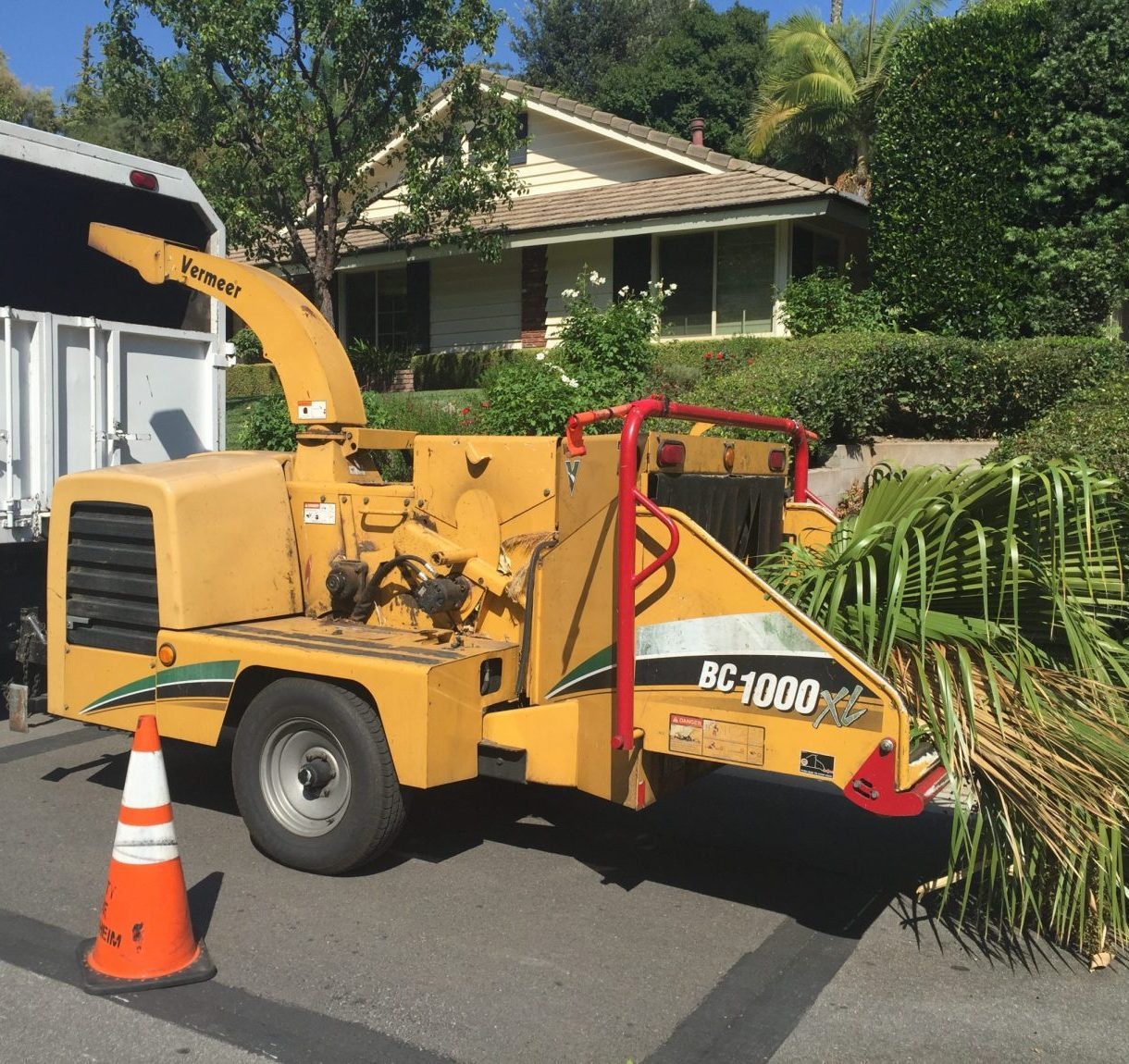
A damaged or dead tree can fall at any moment. Call us now as we respond fast and handle the situation safely.
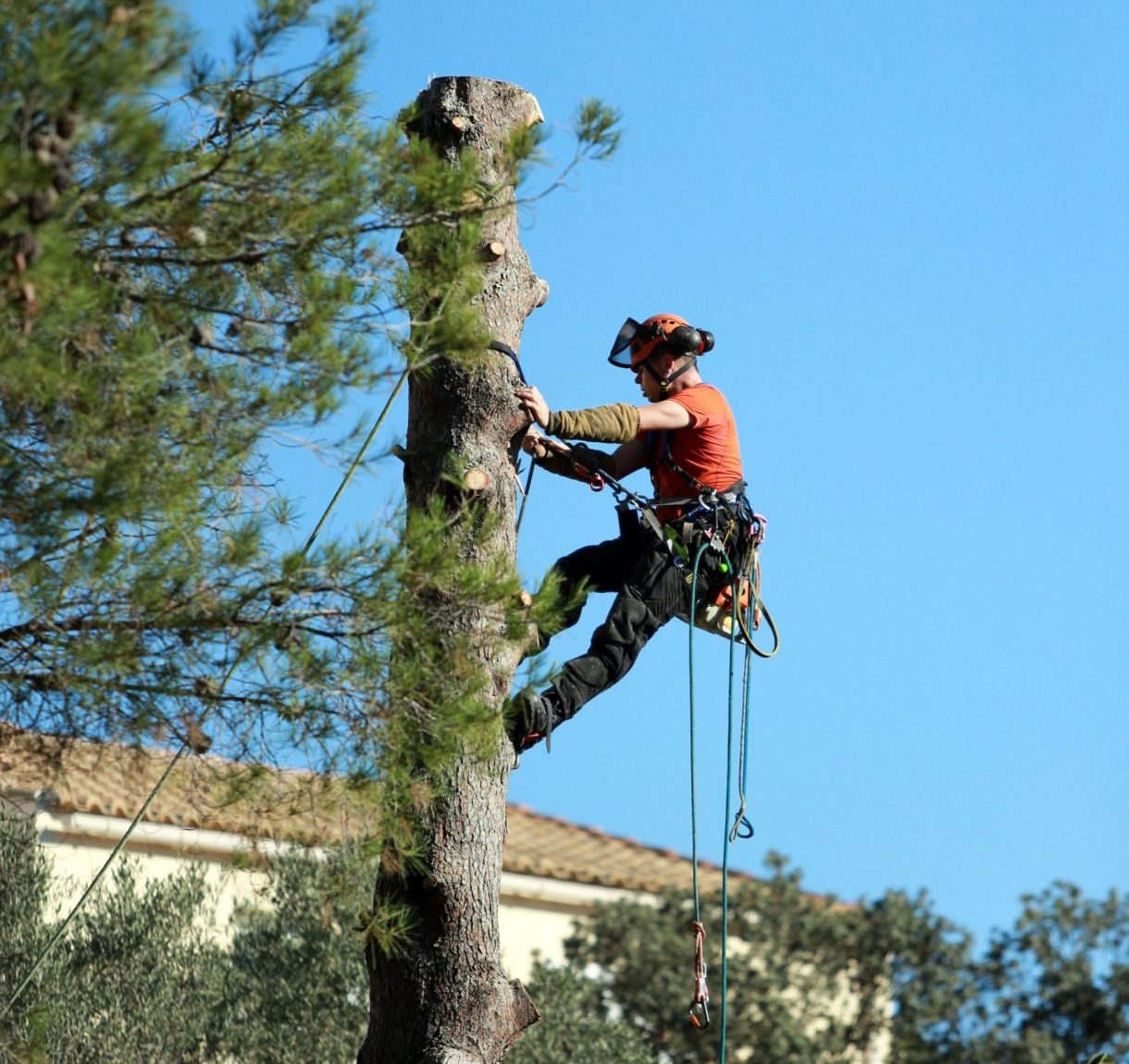
Dead, leaning, or damaged trees are removed safely. We protect your home, fence, and property and then haul everything away.
Orange County Tree Service for Homes & Business Properties
From routine trimming to emergency tree service, we handle it all with the right equipment and the right crew.
Why Choose Us:
Common Tree Problems We Solve
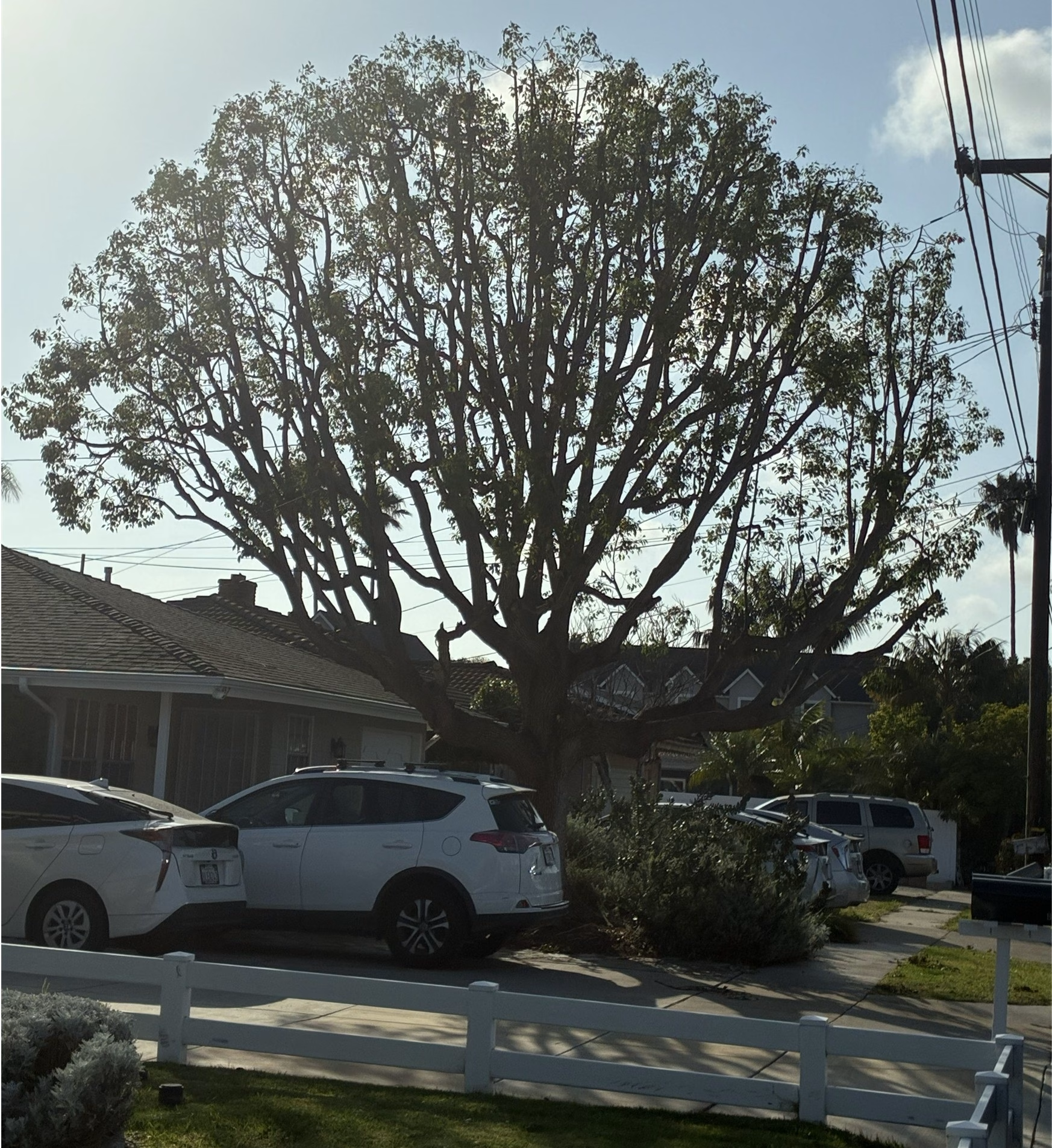
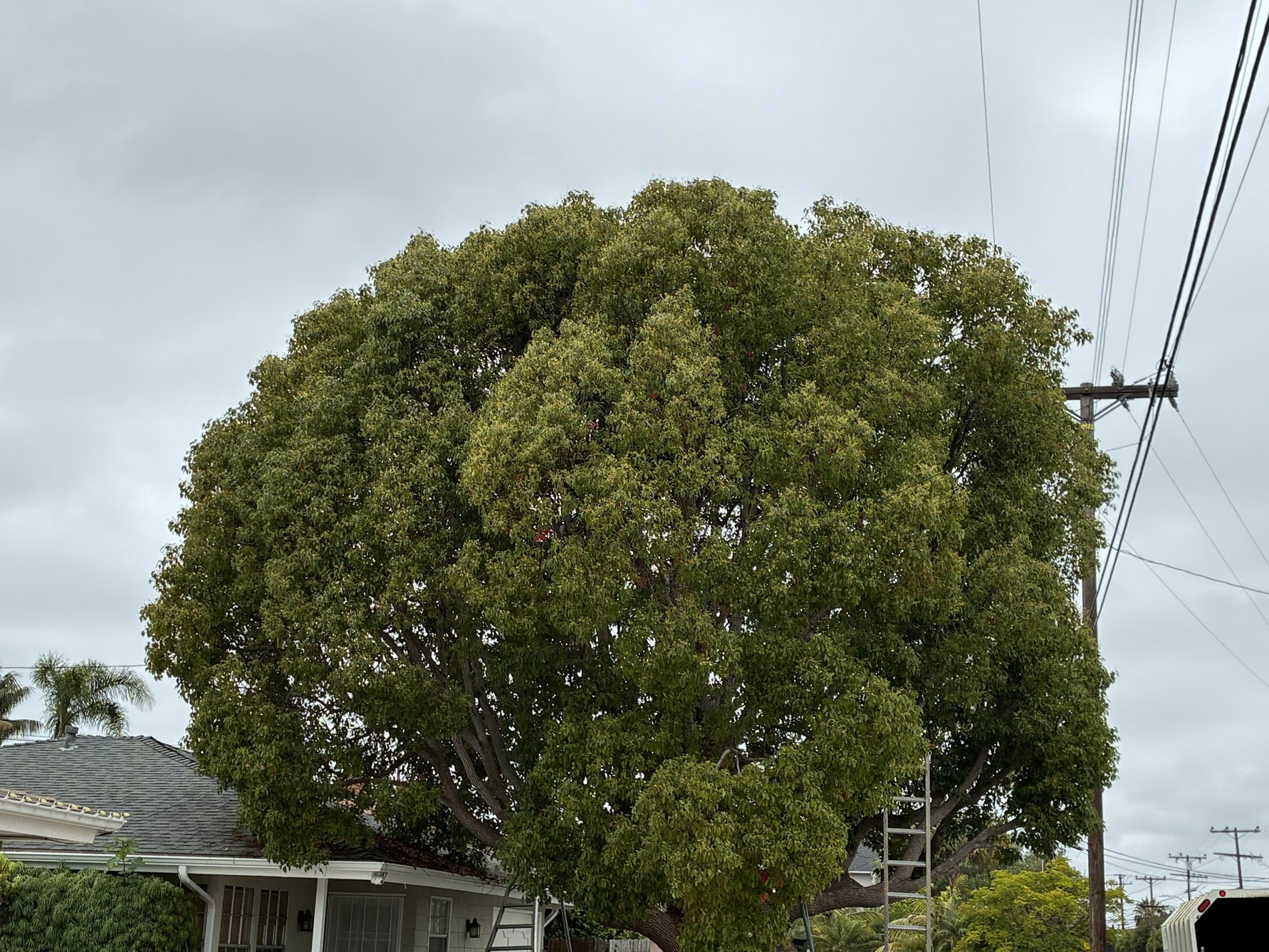
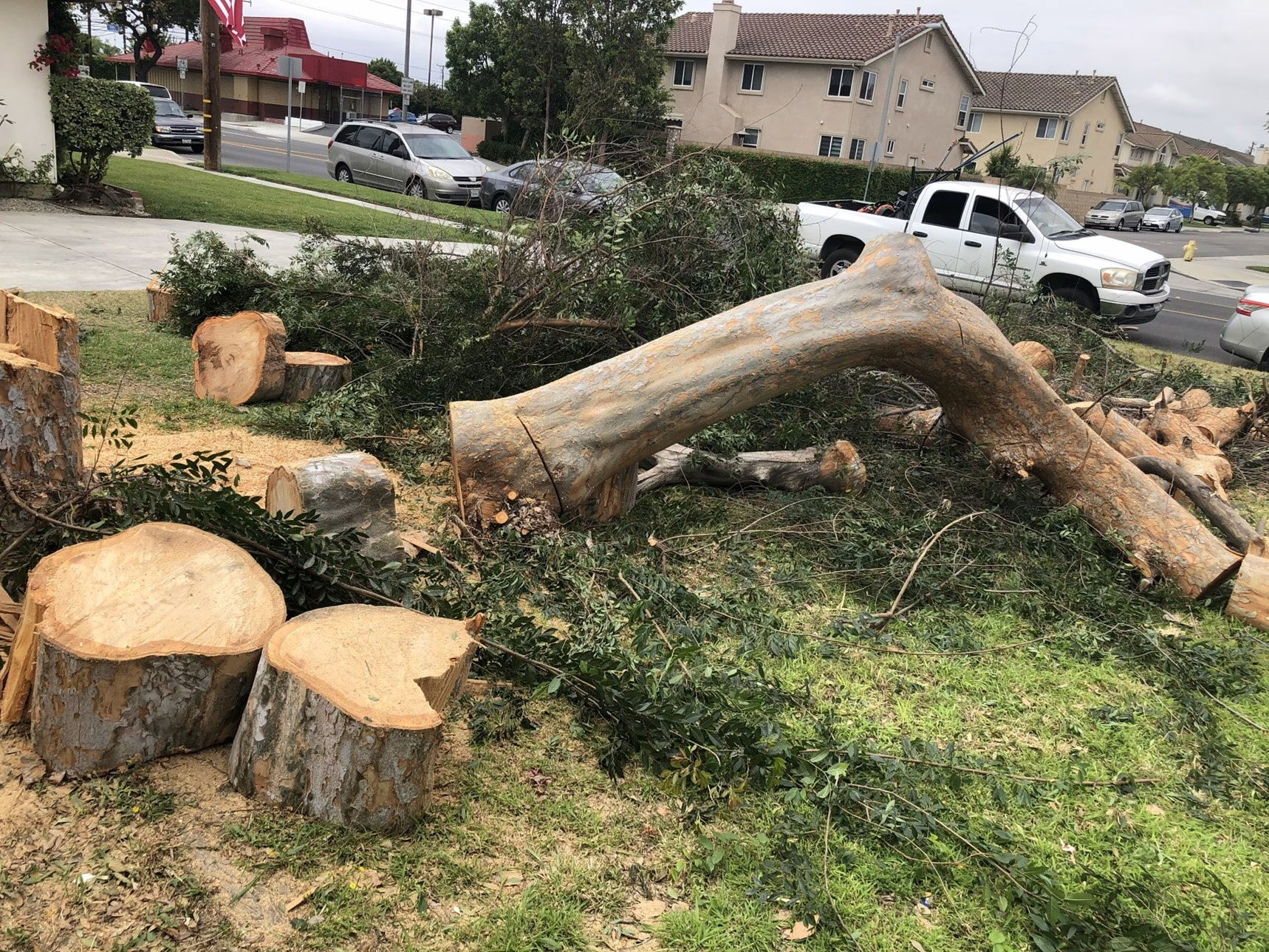
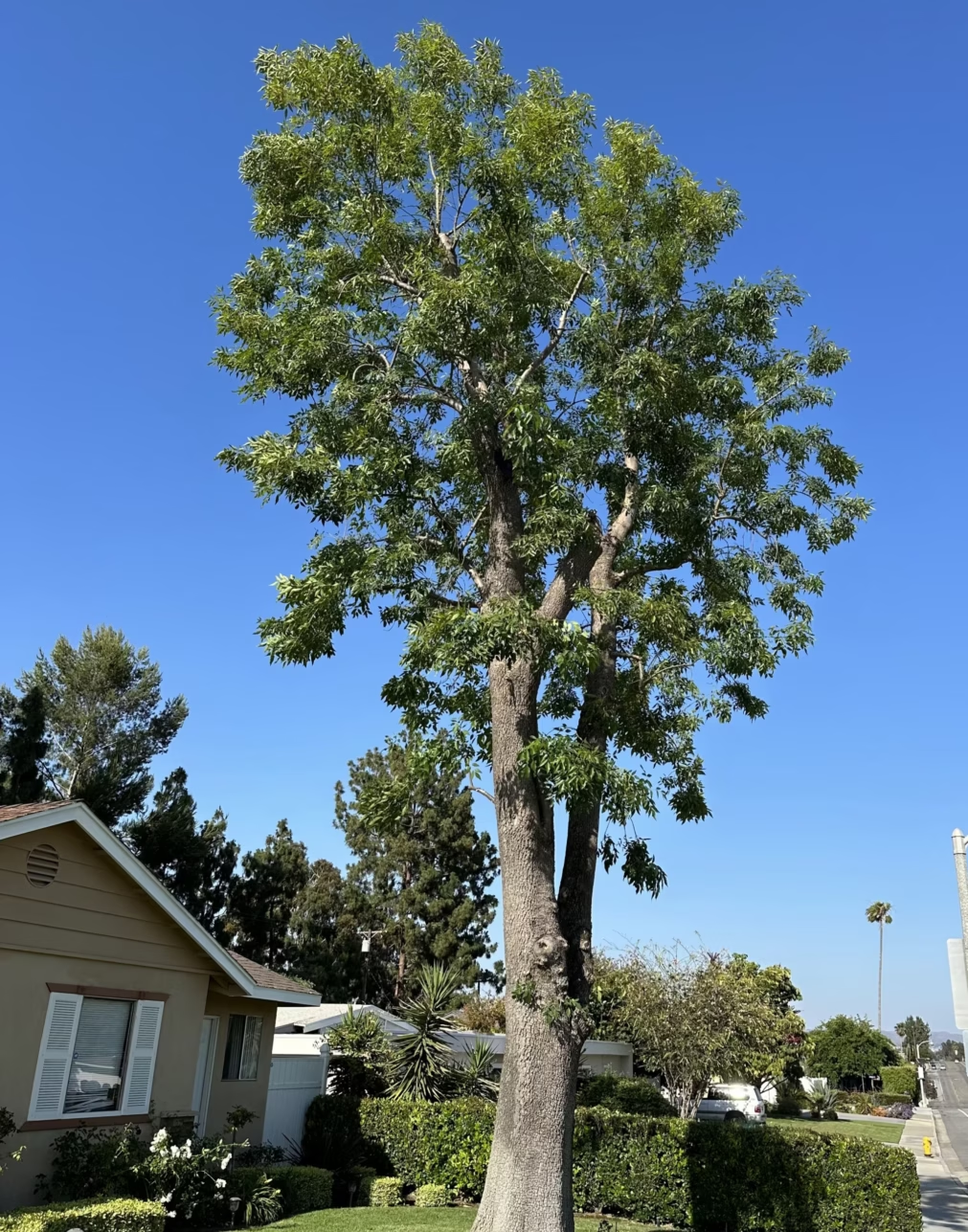
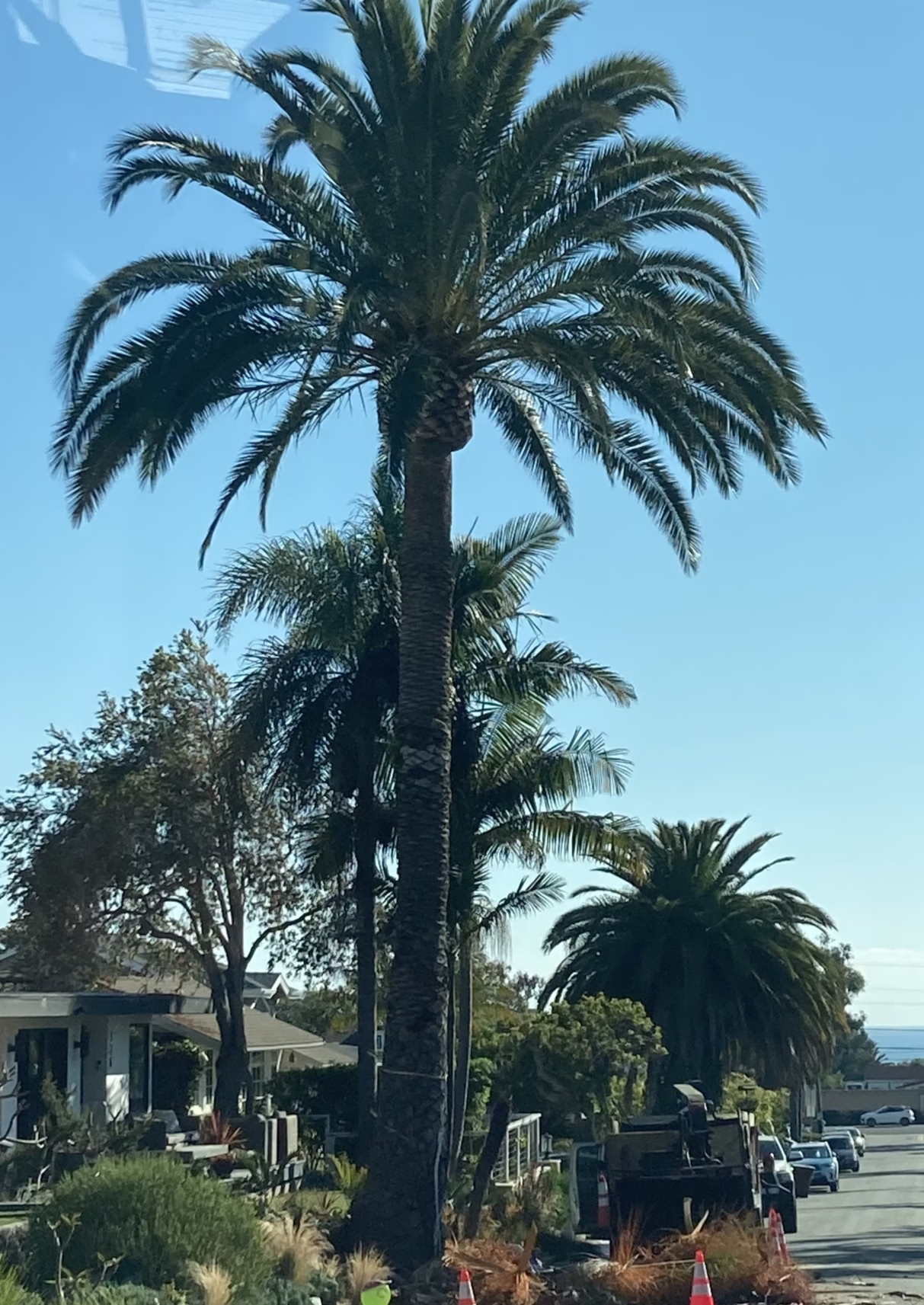
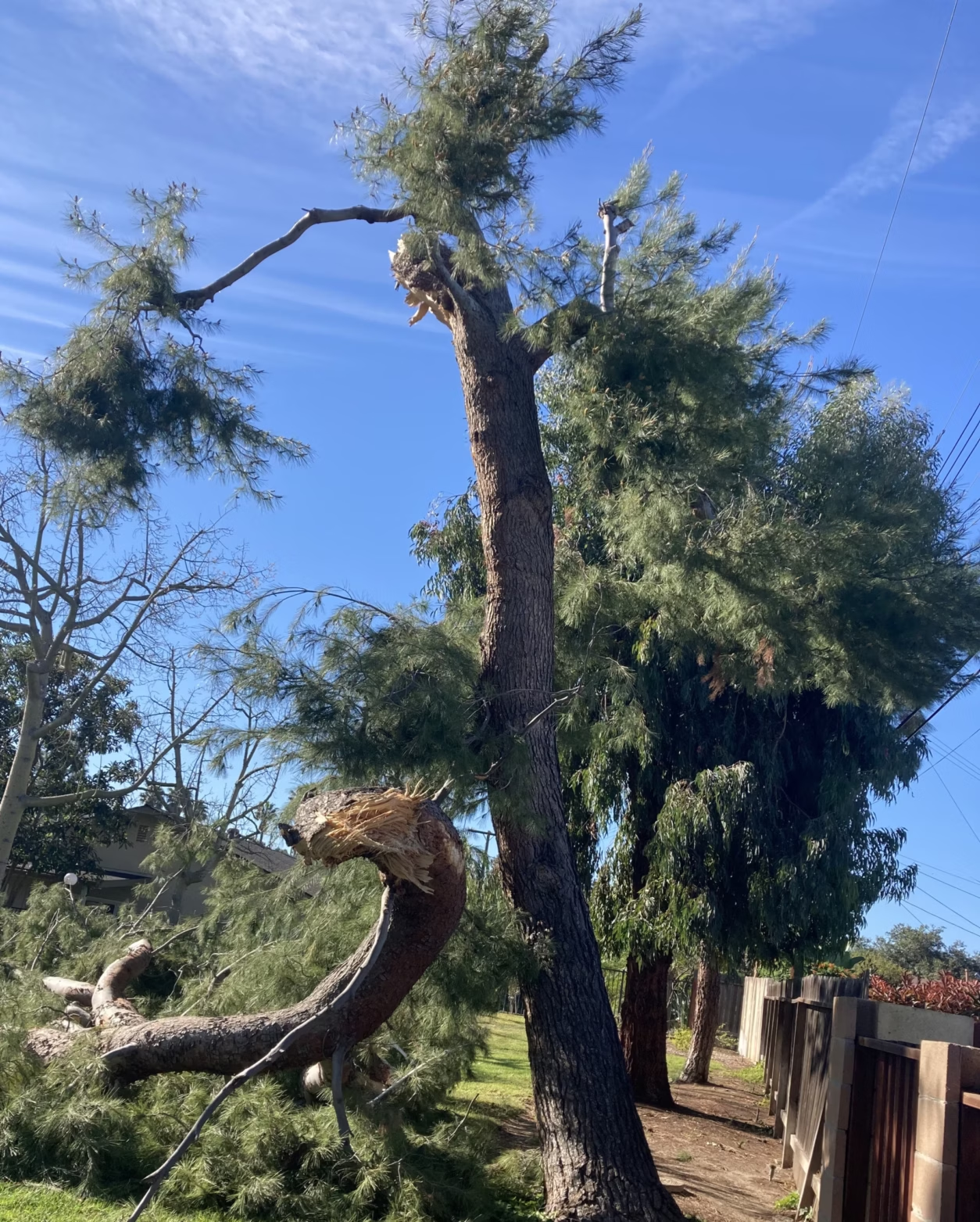
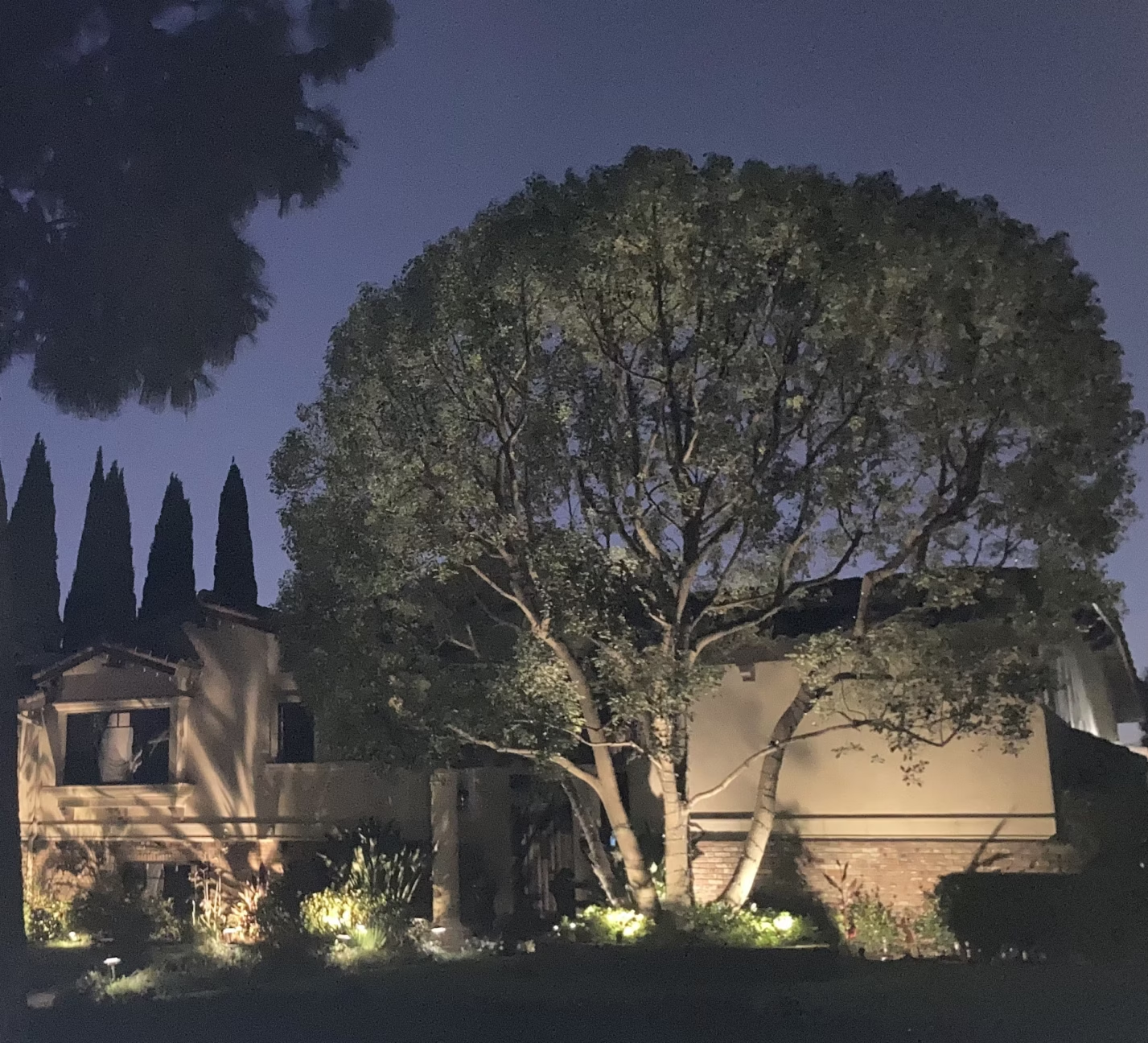
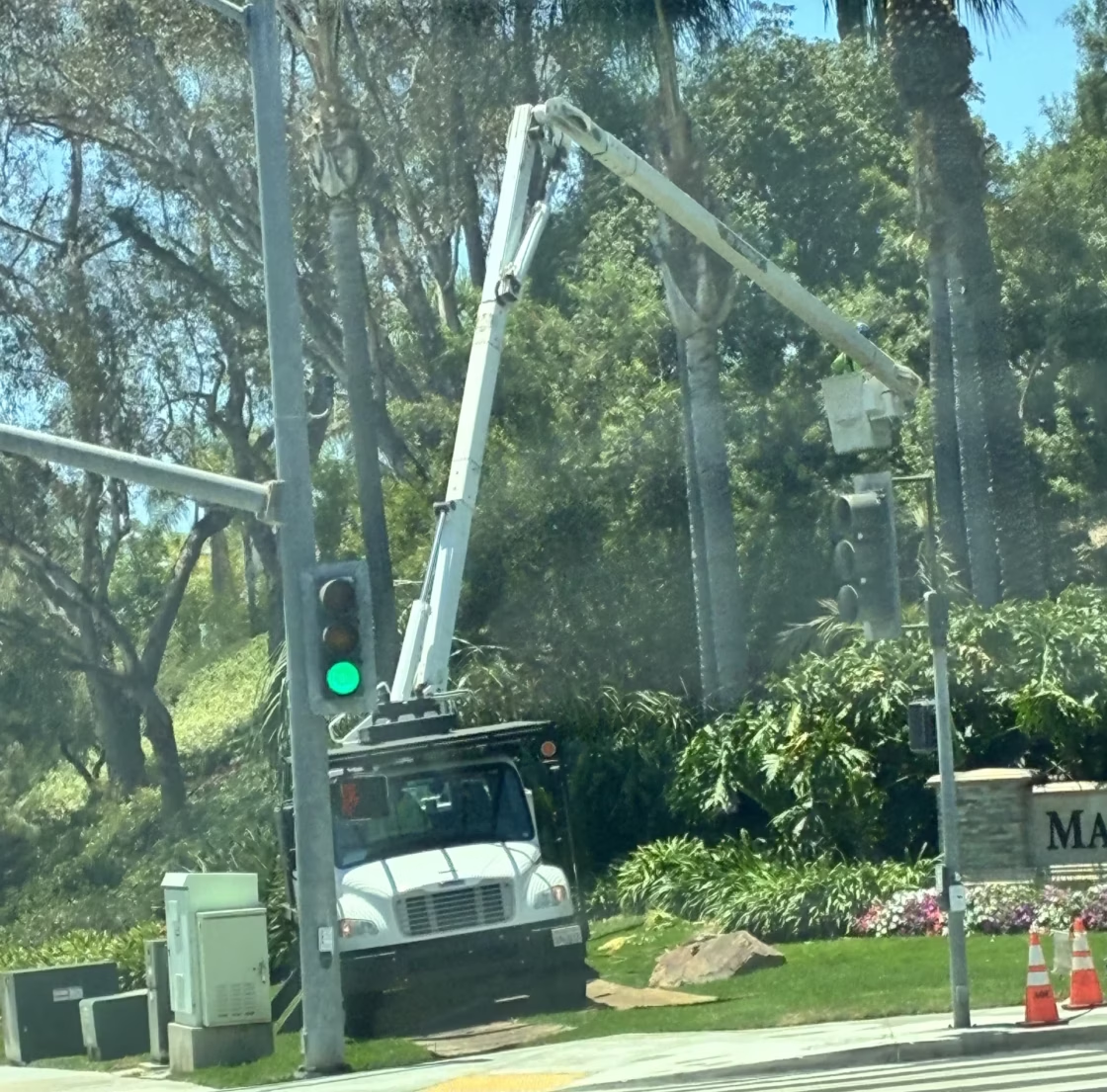
Our Most Recent Work
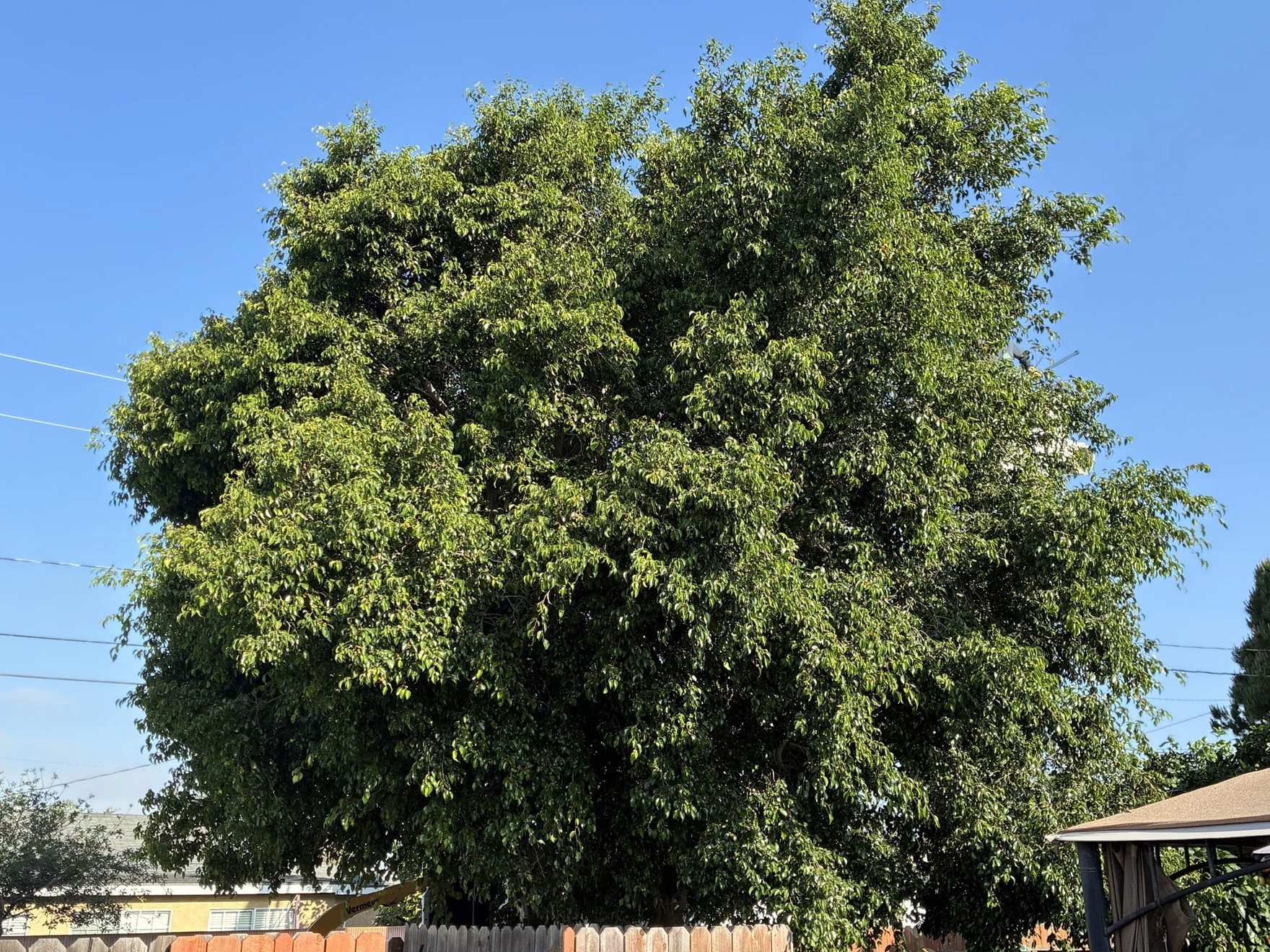
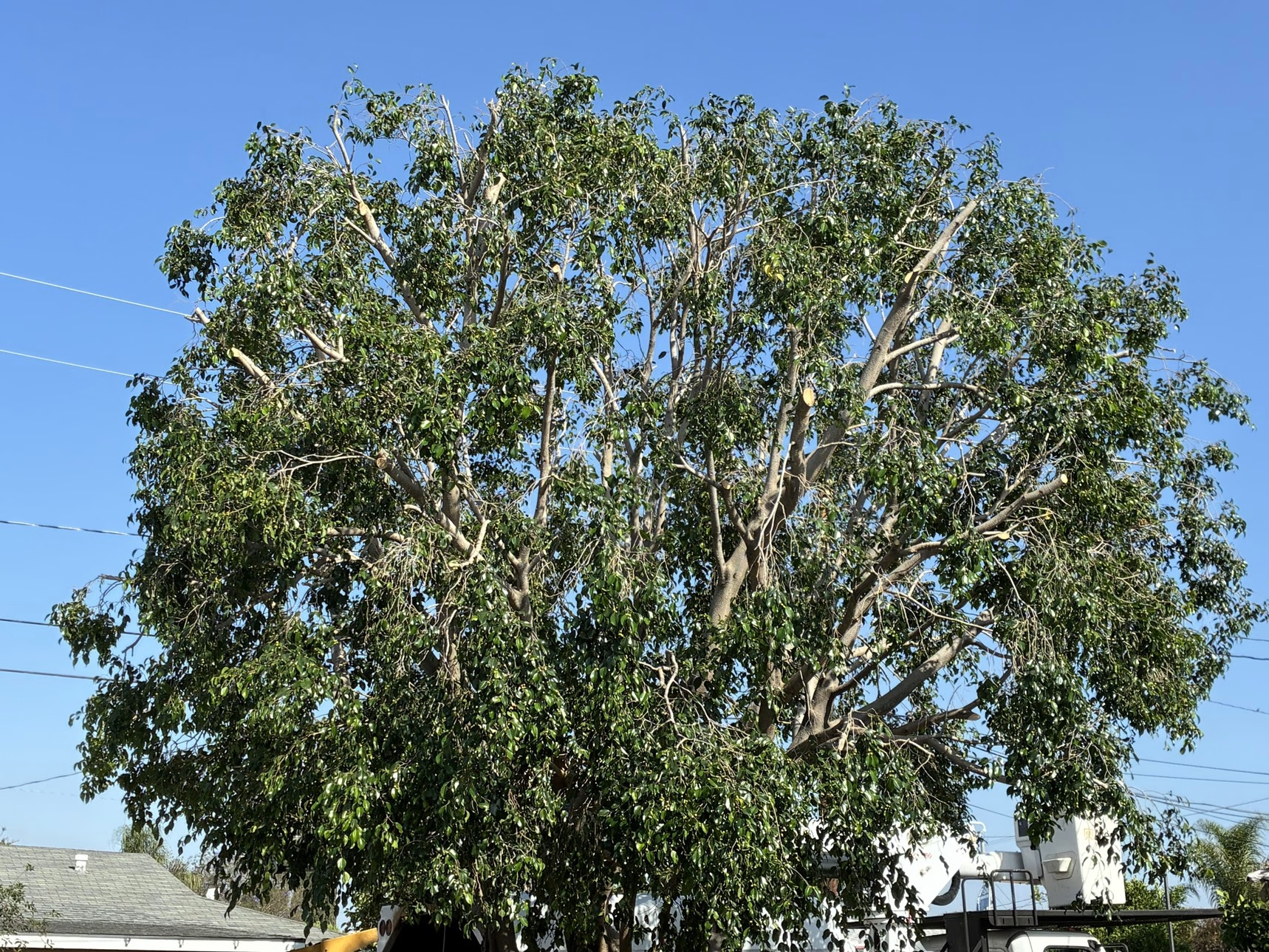
Call Us Today (714) 685-1043
Local & Family Owned Since 2002
Tree Service Orange County
Leave Us A Review
Mon – Sun: Open 24 Hours
Licensed and insured tree service for Orange County and the surrounding areas. We handle trimming, removals, stump grinding, and 24/7 emergency work.
Proudly serving: Orange, Los Angeles, and Riverside counties, including: Aliso Viejo, Anaheim, Anaheim Hills, Brea, Buena Park, Chino / Chino Hills, Corona, Corona Del Mar, Costa Mesa, Cypress, Dana Point, Diamond Bar, Eastvale, Fountain Valley, and Fullerton. Garden Grove, Huntington Beach, Irvine, Jurupa Valley, La Habra, La Mirada, La Palma, Laguna Beach, Laguna Hills, Laguna Niguel, Laguna Woods, Lake Forest, and Los Alamitos. As well as Mission Viejo, Newport Beach, Norco, Ontario, Orange, Placentia, Pomona, Rancho Cucamonga, Rancho Santa Margarita, Riverside, Rowland Heights, San Clemente, Santiago Canyon, San Juan Capistrano, Santa Ana, Seal Beach, Stanton, Tustin, Trabuco Canyon, Villa Park, West Covina, Westminster, Whittier, and Yorba Linda.
Or Send Us an Email
Call Us Today (714) 685-1043
Or Send Us an Email
Local & Family Owned Since 2002
Tree Service Orange County
Leave Us A Review
Mon – Sun: Open 24 Hours